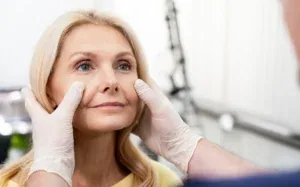
Droopy eyelids and baggy eyes not only make a person look tired or older, but can also affect their ability to see. Eyelid surgery, also called blepharoplasty, can help you look fresher and even improve your vision by removing excess skin and fat tissue from the upper and lower eyelids.
If you are considering eyelid surgery, here are a few things you need to know:
- Many people over 40 can benefit from eyelid surgery.
Constant exposure to sunlight and various environmental factors can cause the eyelids to age quickly. Eyelid surgery is a cosmetic surgical procedure frequently performed on patients aged between 40 and 54.
- Eyelid surgery can improve vision and reduce headaches.
Eyelid surgery goes beyond simply improving appearance. Blepharoplasty removes excess skin that hangs over the eyes, and this excess skin can cause vision problems and headaches resulting from the forehead and eye muscles straining to lift the sagging skin of the eyelids.
- There are two types of eyelid surgery.
Upper eyelid surgery is usually performed in older people to correct loss of the visual field and treat droopy, loose skin. Lower eyelid surgery, on the other hand, is mainly performed to remove bags under the eyes and improve sagging and the appearance of wrinkles around the eyes.
- Pain is usually mild and recovery is mostly quick.
Visible bruising from eyelid surgery can last up to two weeks. The stitches are removed five days after surgery, and during this time you may begin to see a noticeable difference in your eyelids. The incision lines are hidden in the natural creases and can easily be concealed until they fade. Final results can be seen after six months.
- Eyelid surgery can give results that last for years.
Compared with other cosmetic procedures, eyelid surgery needs to be repeated less often. Most patients do not need further eyelid surgery.
Eyelid surgery is one of the aesthetic procedures for the eye area performed by Assoc. Prof. Dr. Çiğdem Karadağ. You can book an examination appointment to assess the options suitable for you.
Am I a suitable candidate for eyelid surgery?
If you think your eyes look tired and puffy, you might consider eyelid surgery, also known as blepharoplasty. The eyes are often the first place on our face to show our age, and your eyes can make you look tired, sad or older.
If you are considering eyelid surgery, read on to find out whether you are a suitable candidate for the operation.
What happens during the surgery?
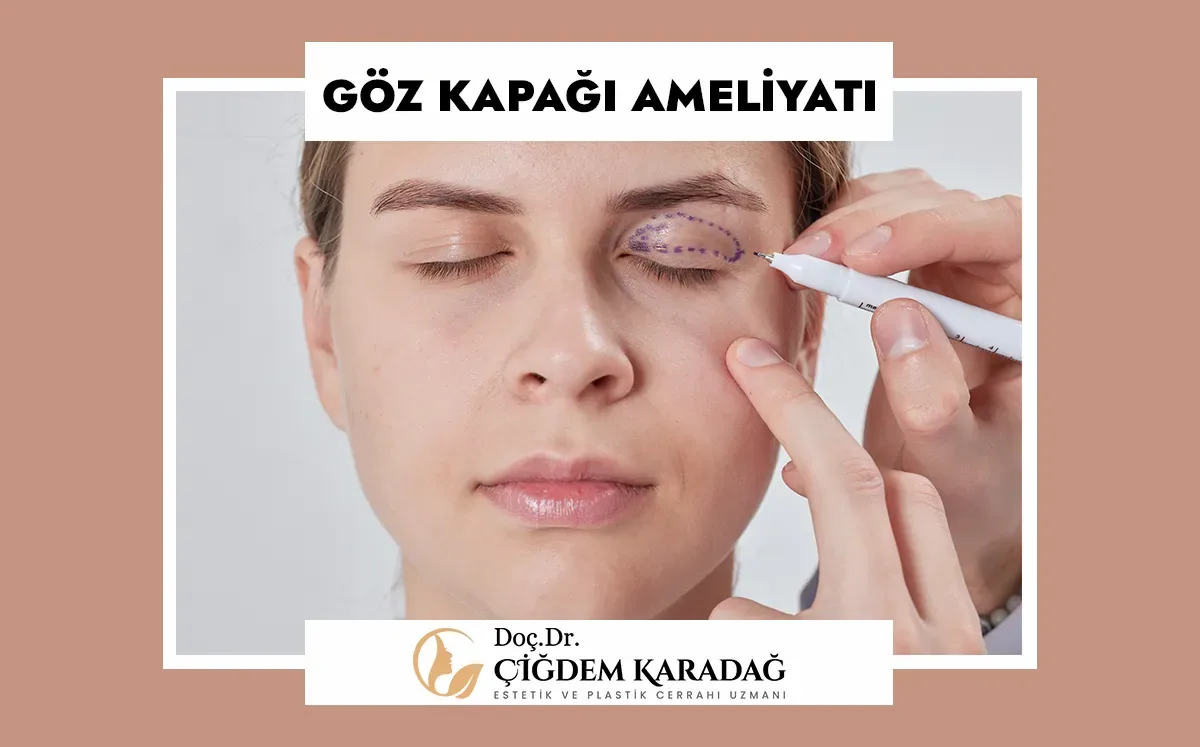
Eyelid surgery is also called an eyelid lift. During this procedure, Assoc. Prof. Dr. Çiğdem Karadağ will remove excess skin or fat from the areas around the upper eyelids, the lower eyelids or both.
Who benefits from the surgery?
Due to constant exposure to sunlight and environmental factors, the eyelids can age considerably over time. Most people over 40 can benefit from eyelid surgery, which can help the eye area look more refreshed.
The most common problems in the eyelid area are sagging and laxity of the upper eyelid, which can obstruct vision, and excess fat accumulating in the eyelids, leading to a puffy appearance. This surgery also helps remove bags under the eyes, correct sagging of the lower eyelids and reduce wrinkles under the eyes.
Aesthetic and medical benefits
Eyelid surgery has aesthetic and functional benefits. Firstly, improving the appearance of the eyes can make the rest of the face look younger and more refreshed too. This can have a positive effect on self-confidence and self-perception. Secondly, by removing excess skin hanging over the eyes, eyelid surgery can improve vision and reduce headaches caused by the excess skin.
Types of eyelid surgery
There are two types of eyelid surgery: lower eyelid blepharoplasty and upper eyelid blepharoplasty.
Lower eyelid blepharoplasty corrects bags under the eyes and improves the appearance of wrinkles around the eyes.
Upper eyelid blepharoplasty, on the other hand, removes fat deposits and excess skin from the upper eyelid. Many patients choose both procedures to address a range of concerns.
3 things you should never do after eyelid surgery
Excess skin around the eyes can make you look tired and, in some cases, make it harder for you to see clearly. It can also lead to cosmetic problems such as bags under the eyes, which nobody likes. Upper and lower blepharoplasty is one of Assoc. Prof. Dr. Çiğdem Karadağ’s areas of expertise.
Although these operations are different, their recovery processes can be similar. Let us take a closer look at a few things you should never do after blepharoplasty.
Do Not Wear Contact Lenses
You may not like the way you look in glasses, but you will need to wear glasses instead of contact lenses for the first two weeks after blepharoplasty. During recovery after surgery, you will not want to touch your eyes, nor will you want to put anything in them. Wearing glasses can help prevent this urge. Wait at least two weeks, or until Assoc. Prof. Dr. Çiğdem Karadağ gives you the go-ahead.
Do not sleep lying flat.
You should stay at home for the first few days after surgery and try to rest as much as possible. As your body will be healing, it is very important to give it all the time it needs. Even if you normally prefer to sleep on your back, this is something you should definitely not do during recovery after blepharoplasty. As there will be a lot of swelling around your eyes, it is important to sleep with your head elevated. By raising your head, you can help fluid drain and prevent the swelling from getting worse.
Do Not Exercise
Being very active in sport is good for your heart, lungs, blood sugar and waistline, but it is not ideal while you are recovering from an operation such as blepharoplasty. Exercise can irritate the eyes and incision sites and cause infection. In addition, your body needs as much rest as possible. If you really must get up and move about, try a short, slow walk around your neighbourhood.
If you would like to learn more about the dos and don’ts of blepharoplasty, contact our office on Bağdat Caddesi in Kadıköy, Istanbul, call +90 505 764 34 43 or use the Online appointment link to book a preliminary consultation.