Facial rejuvenation techniques using fat-derived stem cells are among the innovative and effective methods that have come to the fore in aesthetic medicine in recent years.
This method uses stem cells obtained from the person's own fatty tissue, with the aim of reducing facial wrinkles, improving skin tone and achieving a generally more youthful appearance.
Fat-derived stem cells trigger a natural healing and renewal process by increasing the skin's capacity to regenerate.
Definition of Fat-Derived Stem Cells
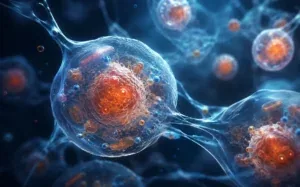
Fat-derived stem cells, known scientifically as adipose-derived stem cells (ADSCs), are versatile cells isolated from the body's fatty tissue for use particularly in aesthetic and regenerative medicine.
These cells are important because they are able to repair damaged tissue and stimulate the formation of new cells.
This regenerative capacity of ADSC’s has made them an increasingly preferred choice in applications such as skin renewal, wrinkle reduction and facial and neck rejuvenation.
General Definition of Stem Cells
Stem cells are cells with the capacity to form various tissues in the body and to renew themselves. They fall into two main categories: embryonic and adult stem cells.
Adult stem cells play critical roles in repairing existing tissues and producing new cells to replace diseased ones. The flexibility and transformation capability of these cells make it possible to develop innovative treatments in modern medicine.
Obtaining Stem Cells from Fatty Tissue
The process of obtaining stem cells from fatty tissue begins with removing fatty tissue from the patient using minimally invasive methods.
This procedure is carried out by plastic and aesthetic surgeons using a special liposuction technique. The fatty tissue removed is processed with special processing and separation techniques, and a high quantity of stem cells is obtained in this process.
These stem cells are then isolated for use in various treatment protocols. This method has significant potential, particularly in aesthetic applications and tissue engineering.
Use of Fat-Derived Stem Cells in Facial Rejuvenation
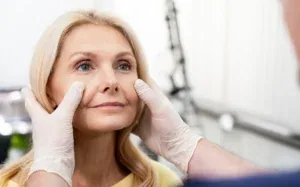
Using fat-derived stem cells in facial rejuvenation procedures stimulates the skin's natural renewal process and offers a younger, more vibrant appearance. The procedure is particularly effective in reducing fine lines and wrinkles in areas showing signs of ageing.
In facial rejuvenation, stem cells help repair damaged skin cells and restructure the subcutaneous tissue, creating a firming and tightening effect.

The Role of Stem Cells in Facial Rejuvenation Procedures
Stem cells play a key role in skin renewal and repair. The fat-derived stem cells used in face, neck and décolletage rejuvenation send biological signals to revitalise skin cells and increase collagen production.
These signals increase the tautness and firmness of the skin, giving a youthful look.
Stem cells are also effective in reducing uneven skin tone and damage, giving a more even and healthy skin texture.
You can also read this article in the Sabah newspaper: “Rejuvenate with your own stem cells” (in Turkish).
Advantages and Potential of Fat-Derived Stem Cells
When fat-derived stem cells are used in facial rejuvenation applications, they offer many advantages over other mesotherapy methods.
These cells minimise the risk of allergic reaction while offering high compatibility and more natural results. With their rich content of growth factors, fat-derived stem cells maximise the skin's capacity to renew itself.
In this way, a long-lasting rejuvenating effect is aimed for.
The Procedure and Techniques
The techniques used in facial rejuvenation with fat-derived stem cells have been carefully designed to increase the effectiveness and safety of this innovative treatment method.
The procedure involves harvesting and processing the stem cells and applying them to the target area. These processes play a critical role in the success of the treatment and directly affect how natural and long-lasting the aesthetic results are.
Harvesting and Processing Stem Cells
Fat-derived stem cells are usually harvested from areas of the patient such as the abdomen or legs, using a special liposuction technique, only by plastic and aesthetic surgeons. The fatty tissue obtained during this procedure is processed using special devices and techniques.
The processing stage aims to separate purified stem cells from the fatty tissue and make them suitable for injection, and it takes about 1 hour. This stage is carried out carefully under sterile conditions to preserve the viability and functionality of the cells.
Injection and Other Application Methods
Fat-derived stem cells are applied to the face, neck, décolletage or backs of the hands using special injection techniques. With these injections, the stem cells are carefully injected under the skin, either directly or via microcannulas.
This method ensures that the cells are evenly distributed in the skin and helps achieve the maximum renewal effect. In addition to injection, supportive methods such as micro-needling may be used in some cases to help the stem cells penetrate the skin more effectively. These techniques are designed to make the stem cells more effective on wrinkles and lines in the skin.
For information about the aesthetic skin rejuvenation with stem cell treatment procedure, you can contact Assoc. Prof. Dr. Çiğdem Karadağ. Assoc. Prof. Dr. Karadağ is a specialist in plastic, reconstructive and aesthetic surgery with a private practice on Bağdat Avenue, Istanbul.
FAQ (Frequently Asked Questions)
What are fat-derived stem cells and how are they used?
Fat-derived stem cells are cells isolated from fatty tissue harvested with a special liposuction technique under local anaesthesia. Because of their ability to repair damaged tissue and stimulate the formation of new cells, these cells are used in aesthetic and medical applications.
Who harvests and applies fat-derived stem cells?
Because fat-derived stem cells are obtained with a special liposuction technique, which is a surgical technique, only plastic and aesthetic surgeons perform it. Otherwise, undesirable results may occur during liposuction. These procedures must be carried out under sterile conditions and by plastic and aesthetic surgeons specialised in this work. The stem cells obtained are then injected, again by plastic and aesthetic surgeons, into the area to be rejuvenated using the micro-needling method with the appropriate and correct technique.
Is fat-derived stem cell treatment safe for facial rejuvenation?
Fat-derived stem cell treatment is generally regarded as a safe method, because the cells used are taken from the patients themselves, which reduces the risk of allergic reaction and rejection. However, as with every medical procedure, this treatment may also have potential risks and side effects.
Are the results of fat-derived stem cell treatment permanent?
The results of fat-derived stem cell treatment are generally long-lasting; however, because skin ageing continues and people’s skin structures differ, this period varies. On average, it is 5 to 10 years. In addition, lifestyle, skincare routine and genetic factors may also affect how long the results last.
What is recovery like after treatment?
Most patients can return to their normal activities immediately after a fat-derived stem cell injection. However, there may be mild swelling, bruising or redness in the treated area. These side effects usually resolve on their own within a few days. If liposuction has been performed by plastic and aesthetic surgeons specialised in this field, there is usually no noticeable scar or problem in the treated area.
Is fat-derived stem cell treatment suitable for everyone?
Fat-derived stem cell treatment is suitable for most people, but it may not be recommended for individuals with certain chronic health conditions, those with a history of cancer or those taking certain medicines. It is important to have a detailed assessment with a healthcare professional before starting treatment.