Stem cell treatment has come to the fore in recent years as a method used increasingly often in aesthetics and skin rejuvenation. This technology, which triggers natural renewal processes, is chosen to reduce signs of ageing, increase skin elasticity and achieve a healthier appearance.
Being a minimally invasive method with the aim of natural, long-term results makes stem cell treatment one of the options considered in aesthetic procedures. So how do stem cell applications work? In this article, we will explore the details of this innovative treatment.
What is a stem cell?
A stem cell is a special type of cell that has the ability to form the various cell types in our body. Many functions in our body depend on the tasks carried out by different cells. These tasks range from the rhythmic beating of our heart and the complex processes of our brain to our kidneys clearing harmful substances from the body and the continuous renewal of our skin.
The main source of this diversity of cells is stem cells. By dividing, stem cells can both create cells of their own type and turn into different cell types. For example, stem cells in the skin can, when needed, create new skin stem cells or turn into the cells that produce collagen (fibroblasts), which gives the skin firmness and elasticity. Thanks to these unique abilities, stem cells ensure the continuous production of the cells that maintain the body’s various functions.
The Importance of Stem Cells for Our Health
Cells are the basic building blocks of our body and are of critical importance for every organ to function healthily. Each of these cells has special functions according to the needs of the organ. However, over time or for various reasons, these cells may be damaged or die. This is where stem cells come into play.
Stem cells have significant potential to repair and renew damaged or dead cells in any part of the body. They play a vital role, particularly in repairing damaged tissues and in maintaining the individual’s health by replacing cells that die naturally in the body. In the area they reach, they have a therapeutic effect thanks to their reparative and regenerative properties.
One of the most remarkable features of stem cells is that they have an unlimited capacity to divide. This allows them to respond continuously to damage and cell loss in the body, thereby providing long-term protection by preserving the body's overall health and functions.
What Are the Types of Stem Cells?
Cells are the basic building blocks of the body, and each is specially designed to perform particular functions. Some of these cells are stem cells, which have a special capability. These stem cells are classified into various types, and each type has its own characteristics.
Embryonic Stem Cells: These are cells obtained from embryos that have been fertilised and are at a very early stage of development. They are able to turn into more than two hundred cell types. Embryonic stem cells give rise to ethical debate because they have cloning potential.
Fetal Stem Cells: Obtained from a fetus of 8-12 weeks, these cells can turn into almost all cell types. However, there is scientific caution about their use because of the risk of tumour formation when they are transferred to another person.
Adult Stem Cells: Found in the tissues and organs of our body, these cells can renew themselves and turn into cells of the same tissue or organ.
Mesenchymal Stem Cells: These are stem cells obtained from an adult that are able to turn into a wide variety of cell types. Not only do they repair damage in their own tissues, but they can also be carried to other damaged tissues and repair the damage there.
Induced Pluripotent Stem Cells (IPSC): Obtained by converting certain cells into stem cells in the laboratory, these cells can turn into a wide variety of cell types like embryonic stem cells, but they are exempt from ethical debate because no embryos are used. The development of IPSC’s has reduced the need for embryonic stem cells, as many treatments can now be carried out with these cells.
This variety of stem cells holds great potential in different areas of medicine, especially in regenerative treatments. The discovery and investigation of different stem cell types have the potential to transform treatment approaches and may have a major impact on human health.
What is stem cell treatment?
Stem cell treatment is an innovative treatment method that uses the potential of stem cells to replace damaged cells or cells that have lost their function with new ones. This approach aims to improve people's quality of life by repairing organ and tissue damage caused by various diseases. The aim of the treatment is to give patients the capacity to relieve or stop symptoms, and it may thus slow the course of the disease.
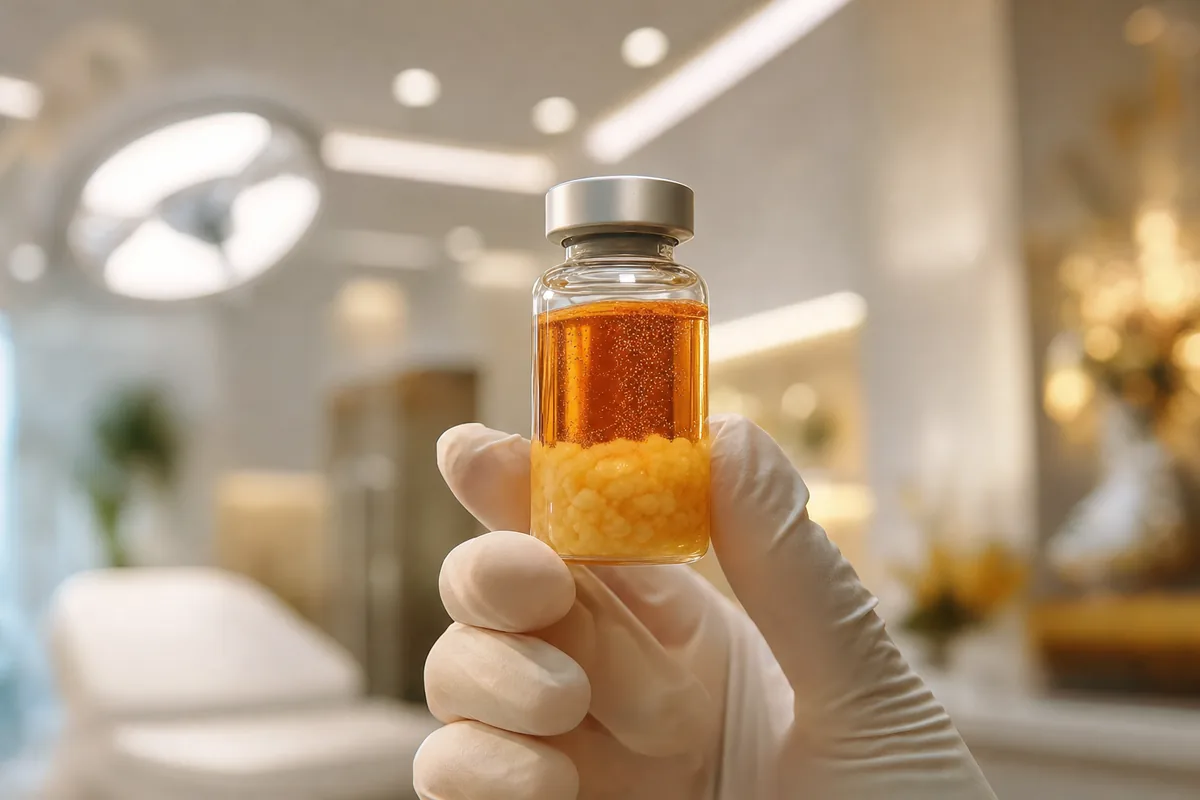
Stem cell treatment from fat is an innovative method used to restore the skin's natural youthfulness and freshness. This method is based on using stem cells isolated from fat tissue taken from the patient's own body.
By increasing the skin’s capacity for renewal and repair, stem cells help reduce wrinkles, even out skin tone and increase skin elasticity. Chosen especially by those who wish to reverse signs of ageing and improve their skin health, this method aims for natural and long-lasting results with a minimally invasive procedure.
Skin rejuvenation treatment with stem cells obtained from fat can be performed in a short time without the need for general anaesthesia; patients can usually return to their daily lives within a short time.
Benefits of Stem Cell Treatment
Stem cell treatment is part of regenerative medicine, used to repair damaged or diseased tissues. It works by stimulating the body's natural repair processes. For patients waiting for an organ transplant, this treatment approach may reduce the need for a tissue or organ transplant.
Stem cells used for anti-ageing purposes are obtained from the body's fat using special methods and are injected into the person's face, neck, décolletage or the backs of the hands, giving the skin a livelier and fresher appearance again.
The Treatment Process
The cells needed for aesthetic stem cell treatment are usually obtained from fat in the patient's own body. Fat from the abdominal area is often used for this.
The nature of the treatment and the patient's condition are individual, so the application protocol and success rate of each may vary. Advanced technology and an experienced team are required for these treatments to be applied successfully.
How Stem Cells Are Collected
Depending on their source, stem cells can be collected by various methods. They can be taken from a fetus or the umbilical cord, or from the patient's own body.
However, for aesthetic purposes stem cells are obtained from fat tissue by liposuction. The fat tissue removed is put through a special process to obtain stem cells.
Transfer Method
Stem cells obtained for aesthetic purposes are given by injection into the area to be treated (for example the face, the skin or the scalp). The injection points and the amount are determined at the examination, according to the treatment to be applied.
The potential of this type of treatment stands out among the factors shaping the future of regenerative medicine. However, as with any treatment method, stem cell treatment has its risks and ethical issues, so a careful assessment should be made before starting treatment.
For stem cell treatment, you can contact Assoc. Prof. Dr. Çiğdem Karadağ, who practises on Bağdat Avenue, Istanbul.
Frequently Asked Questions
Are there any risks of skin rejuvenation with stem cells?
As with any medical procedure, skin rejuvenation treatment with stem cells has risks; these are discussed in detail during the consultation. Because patients are given their own cells, an allergic reaction to a foreign substance is not expected. The procedure aims to improve the appearance of the skin by replacing depleted cells with new ones.
Does skin rejuvenation treatment with stem cells cause or trigger cancer?
Before treatment, the person is asked whether there is a history of cancer in themselves or their family. Suitability for treatment and possible risks are evaluated individually for each patient during the consultation.
Is there an age limit for skin rejuvenation treatment with stem cells?
There is no age limit for skin rejuvenation treatment with stem cells. It can be applied when the person begins to see signs of ageing in their skin, or from the age of 28-30 before any signs of ageing are visible.
Can, or should, skin rejuvenation treatment with stem cells be repeated?
Skin rejuvenation treatment with stem cells can be repeated depending on the person's age and the condition of the skin.
When will the effects of skin rejuvenation treatment with stem cells be seen?
In skin rejuvenation treatment with stem cells, the cells continue to grow beneath the skin and over time reach the levels they had 8-10 years earlier, so the person sees the desired effect gradually over the course of the process, but a clear result does emerge. It becomes visible at least 3 months after the last application.