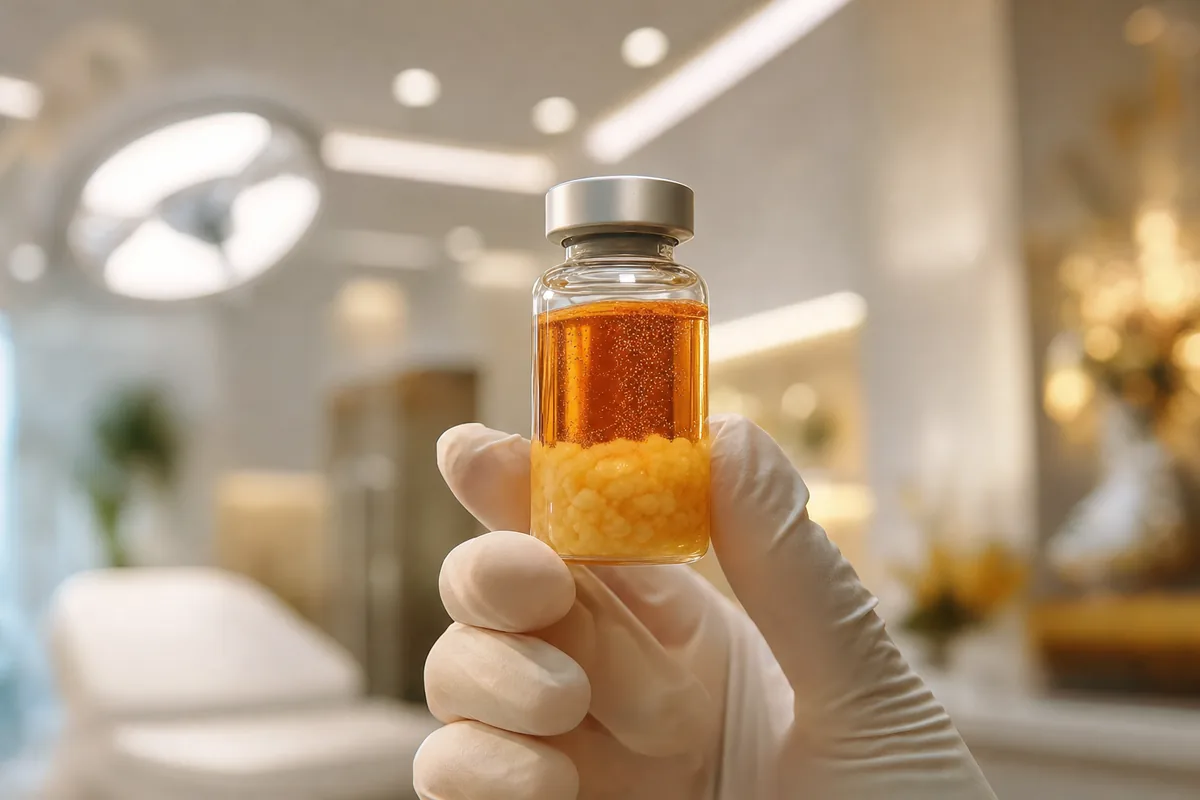
Exosome therapy is an innovative, science-based method applied for skin rejuvenation, reducing hair loss and speeding up tissue renewal. Thanks to exosomes, which support cellular communication, natural healing mechanisms are activated.
With its minimally invasive nature, this treatment does not require a surgical procedure. By supporting collagen and elastin production, it aims to give the skin vitality, firmness and radiance.
Exosome technology is used in anti-ageing care, hair follicle repair, treating dermatological problems and wound healing. During the treatment, a rich content of growth factors and proteins is delivered to the skin.
In conclusion, exosome therapy is an advanced solution offered by modern medicine for both aesthetic concerns and medical needs. This method is one of the new treatments being studied in the aesthetic and medical fields.
What Are Exosomes?
Exosomes are biological carriers that allow cells to communicate with one another. These microvesicles, which contain proteins, lipids and genetic material, play an important role in skin renewal.
This structure supports tissue renewal by strengthening signal transmission between cells. The exosomes used in treatment are not of external origin but are compatible with the body's natural processes.
Who Is Exosome Treatment Suitable For?
Exosome therapy is an option that can be considered for individuals who want to reduce the signs of skin ageing. It may be effective on fine lines, wrinkles and sagging skin.
People with dermatological problems such as psoriasis, eczema and scarring may also benefit from this treatment. By reducing inflammation in the skin, exosomes may help speed up the healing process.
Exosome applications also play a supportive role for those experiencing hair loss. They support natural hair growth by revitalising the hair follicles.
Exosome therapy can be used as a supportive treatment for chronic wounds and slow-healing tissue damage. It aims to speed up healing by triggering cell renewal.
Exosome Applications for the Face and Skin
Exosomes are widely used for skin rejuvenation on the face and neck. After treatment, skin tightening, a lifting effect and increased radiance are observed.
Their effectiveness is increased by combining them with microneedling or laser during facial treatments. This combination can raise the skin's collagen production by up to 600%.
Exosomes may be beneficial for basic skin problems such as wrinkles, visible pores and dryness. They contribute to rebuilding the skin's structure.
Exosome Treatment for the Face
It is an effective treatment against signs of ageing such as age spots, sagging and fine lines. Exosomes penetrate deeply into the skin and create a tightening effect.
It corrects uneven skin tone and reduces hyperpigmentation problems. A younger and brighter appearance is achieved in the facial features.
Supported by combined treatments, exosome care offers a non-surgical facial rejuvenation option. The effects continue to increase in the weeks following treatment.
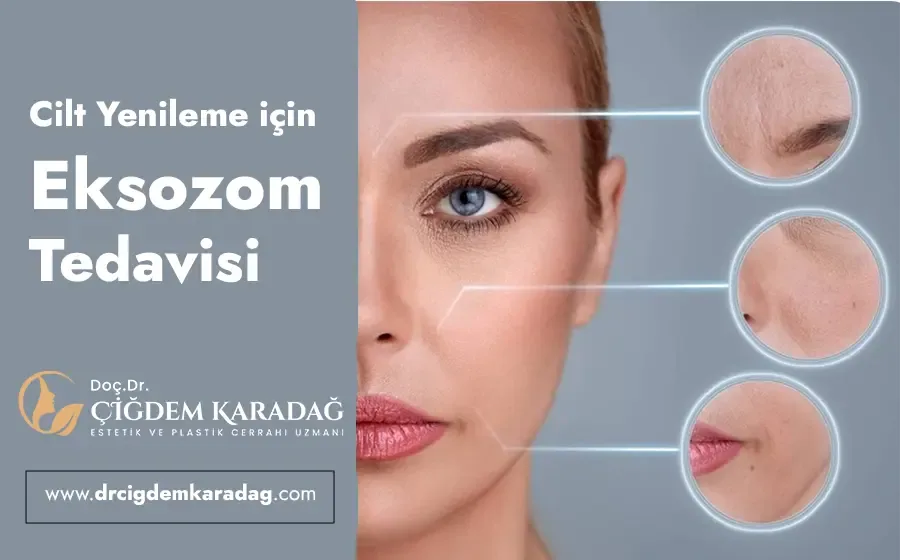
Exosome Applications for Hair Loss
Hair loss is a common problem that develops due to hormonal and environmental causes. Exosomes support regrowth by stimulating the hair roots.
By helping to strengthen existing hair, they give a fuller, healthier appearance. They create a healthy environment for hair growth by reducing inflammation in the scalp.
This treatment is also preferred as a supportive treatment after hair transplantation. It is an effective method for revitalising the natural hair cycle.
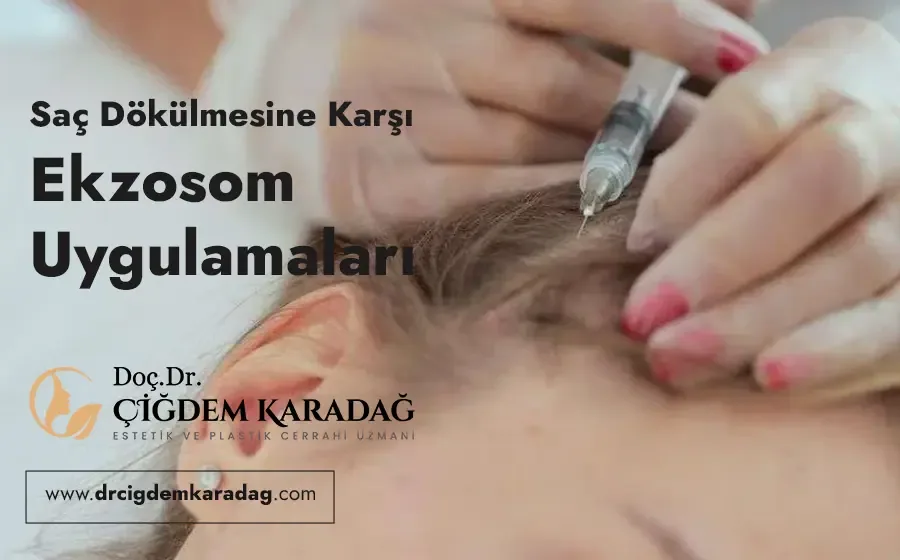
How Do Exosomes Differ from Stem Cells?
Exosomes stand out as structures that carry the communication function of stem cells. However, they are not stem cells themselves but biological signal carriers secreted by stem cells.
Stem cells may not produce tissue directly, but exosomes create effective results by carrying the signals needed for healing. In this respect, they offer more controlled and targeted treatments. When applied together with stem cells, they may increase the effectiveness of the stem cell treatment.
What Are the Benefits of Exosome Treatment?
Exosome therapy is a method that is among modern aesthetic treatments. It aims to support natural repair processes.
The intended possible benefits of this treatment, used in both aesthetic and medical fields, are as follows:
- It does not require surgery and is non-invasive.
- The recovery time is quite short.
- It increases collagen and elastin production.
- It provides firmness, radiance and elasticity to the skin.
- It reduces the appearance of fine lines, wrinkles and sagging.
- It evens out skin tone and adds radiance.
- It reduces the appearance of pores.
- It improves hyperpigmentation, melasma and dark spots.
- It supports healing in skin conditions such as psoriasis, eczema and rosacea.
- It reduces hair loss by stimulating the hair roots.
- It supports new hair growth.
- It creates a healthy environment by reducing inflammation in the scalp.
- It softens the appearance of scars and scar tissue.
- It enhances the skin's protective function by restructuring the skin barrier.
In these respects, exosome therapy is an option that can be considered by those looking for natural-looking results. Results may vary from person to person.
Exosome Treatment with Assoc. Prof. Dr. Çiğdem Karadağ
A scientific approach, experience and individualised planning are of great importance in exosome therapy. Plastic, reconstructive and aesthetic surgery specialist Assoc. Prof. Dr. Çiğdem Karadağ plans treatments in line with scientific data.
Exosome protocols applied for skin rejuvenation, hair loss and dermatological problems are planned individually and carried out with current methods. You can click here to get detailed information about the treatment process and to make an appointment.